Giant Gorilla Safaris: Permits, Rules and Operators
Gorilla tourism in Bwindi and Mgahinga generated more than UGX109.8 billion in financial year 2022/23, according to Uganda Wildlife Authority commissioner John Makombo, as reported in New Vision's World Gorilla Day coverage. That scale changes how you should judge giant gorilla safaris. You're not buying a scenic walk with a wildlife bonus. You're buying controlled access to a small, closely counted population, under rules that limit who goes, how long you stay, and how close you stand. The permit is therefore a chain of accountability, covering conservation management, field conduct, and money shared with neighbouring communities. If an operator can't explain that chain clearly, the itinerary isn't ready.
Table of Contents
- Where Gorilla Safaris Happen and How Many Gorillas Remain
- Permit Rules That Shape Every Gorilla Trek
- Why Field Behaviour Matters More Than the Brochure
- Choosing Season, Park and Visitor Numbers
- Where Your Trekking Money Goes
- How to Score a Gorilla Safari Operator
- Confirm Your Permit and Operator Before You Pay
Where Gorilla Safaris Happen and How Many Gorillas Remain
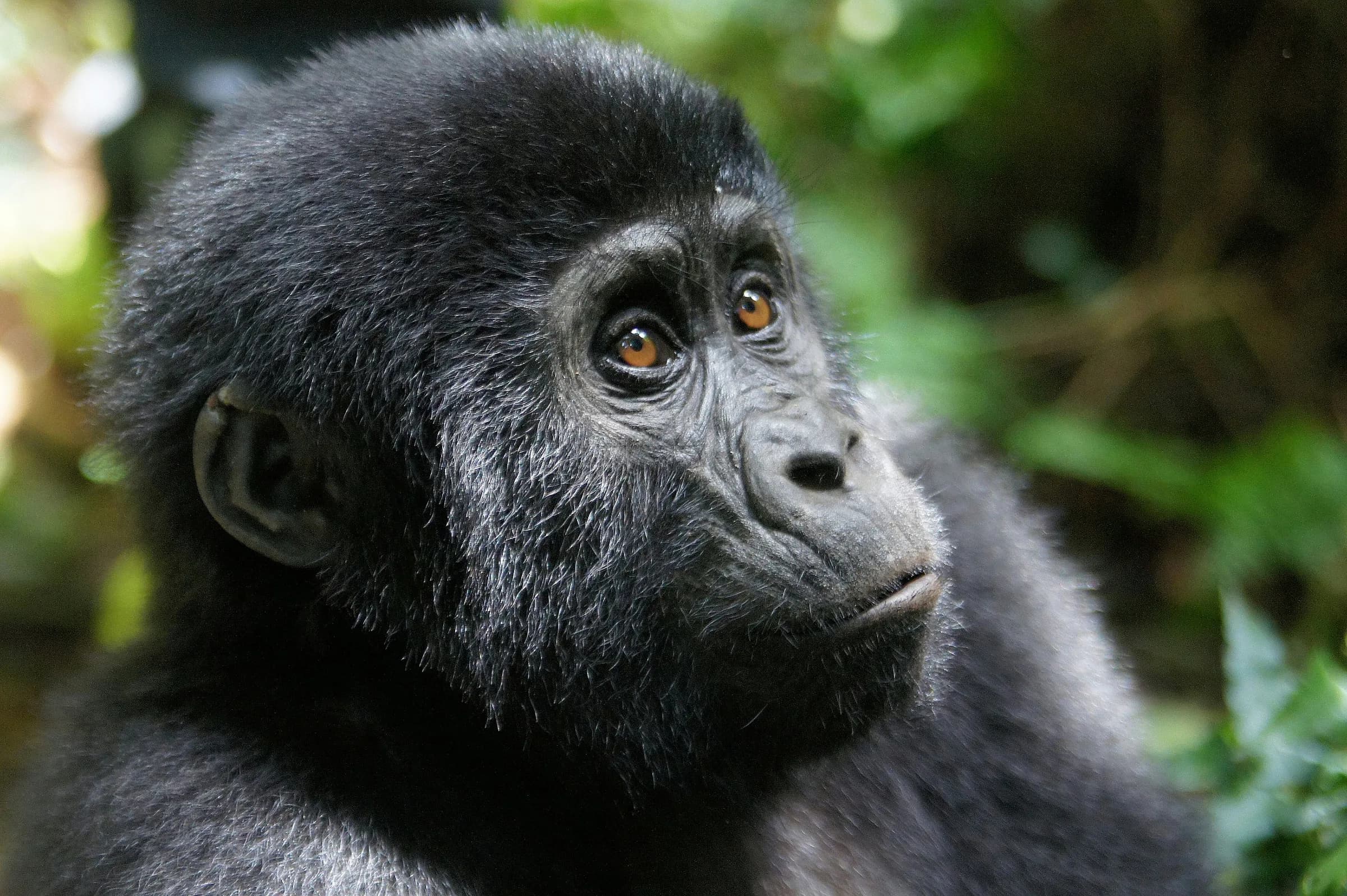
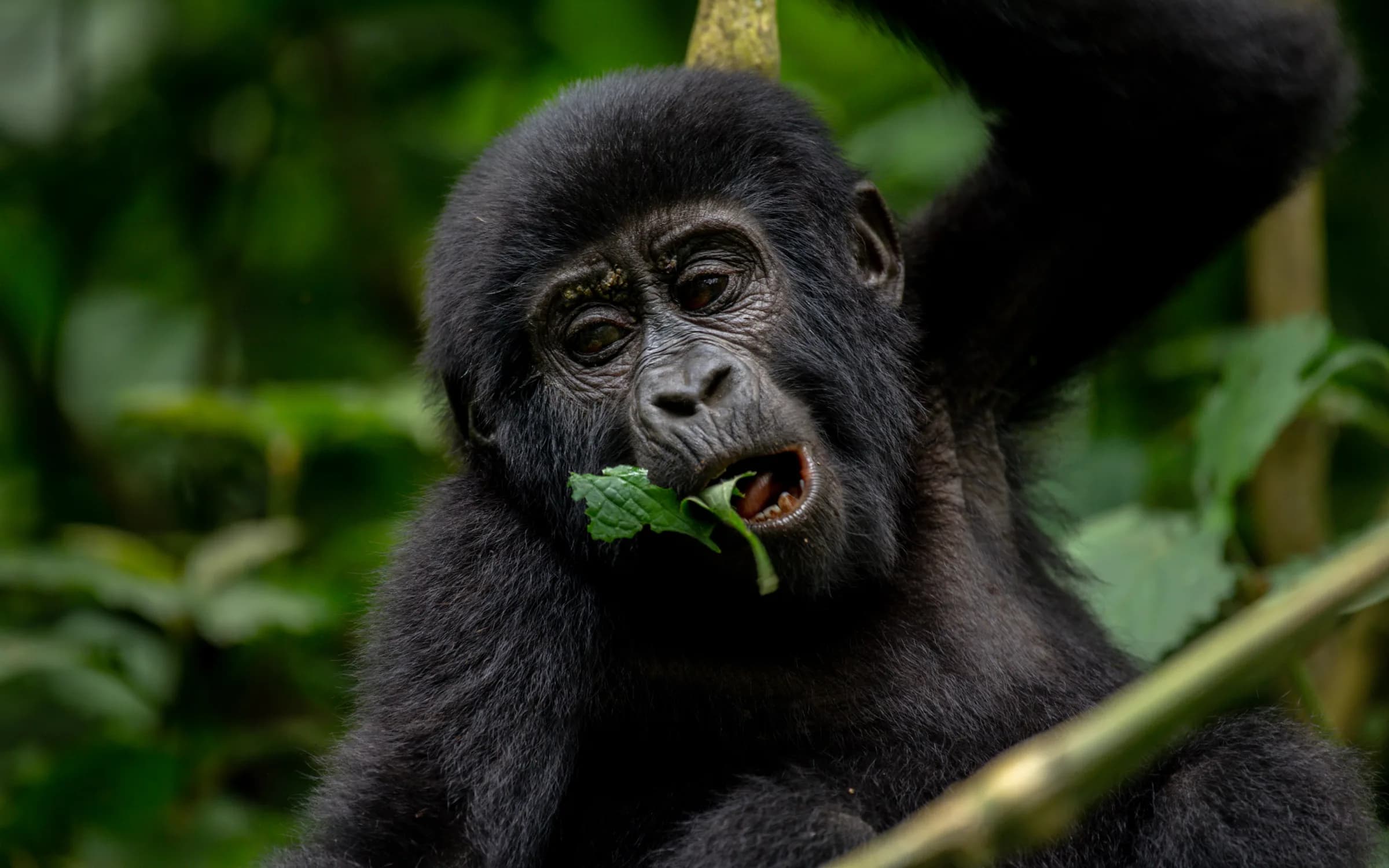
A giant gorilla safari means trekking on foot to spend a short, regulated period with mountain gorillas in their forest habitat. In Uganda, that happens in Bwindi Impenetrable National Park and Mgahinga Gorilla National Park. Rwanda's equivalent is Volcanoes National Park, so check which country, park, and permit system an itinerary covers before you compare prices.
The geography is unusually narrow. Bwindi Impenetrable National Park is one of only two places where the critically endangered mountain gorilla population occurs, alongside the Virunga Volcanoes shared by Uganda, Rwanda and the Democratic Republic of Congo, as set out in the Oryx journal account of the Bwindi gorilla census. A range that small changes what a safari is: you cannot drive another circuit if viewing is poor, because each trek is tied to a habituated group in a defined forest area, and entry is rationed by permit rather than sold at a gate.
A Recovery Measured in Hundreds, Not Thousands
The census record shows gradual recovery from a very low base. Repeated scientific counts over roughly two decades have tracked Bwindi's population climbing slowly, and the most recent count on the Bwindi-Sarambwe side found the gorillas spread across many social groups plus a smaller number of solitary individuals. Combined with the parallel census on the Virunga side, the worldwide mountain gorilla population sits barely above a thousand animals.
Census period
Finding
Notes
Late 1990s
First systematic count of the Bwindi population
Established a low baseline in the low hundreds
Early 2000s
Repeat census
A modest rise on the baseline
Mid-2000s
Repeat census
Gradual growth continuing
Late 2010s
Bwindi-Sarambwe census
Highest count yet, spread across many social groups and solitary individuals
Read the trend as a conservation success with tight margins. Repeated scientific counts, rather than broad tourism estimates, are the measure of whether protection is working. Gains this gradual still leave a population small enough for disease, habitat pressure, or badly managed visits to cause serious damage, which is why the permit system treats access as something to be controlled rather than sold.
A gorilla safari's value starts with secured access to a specific habituated group, tied to a permit sector and a confirmed date.
Bwindi does not offer a single uniform trekking product. Its population is spread across forest sectors, so terrain, walking difficulty, lodge location, and group allocation all vary with the permit sector and date you secure. Mgahinga offers a different setting on the Virunga side, and Rwanda runs its trekking in Volcanoes National Park under a separate system. I would fix the country and park first, then judge lodges and add-on activities around the permit you can get.
Permit Rules That Shape Every Gorilla Trek
A trek isn't confirmed because an operator has pencilled your name into an itinerary. It's confirmed when a limited permit is tied to an assigned gorilla group and date. Until that happens, flights, lodges, and road transfers are built around an assumption. Treat written permit confirmation as the anchor document for the whole trip.
Uganda Wildlife Authority rules limit each gorilla group to a maximum of eight visitors, restrict viewing to one hour per day, prohibit participation by people with colds or other infectious illnesses, and require visitors to remain at least 10 metres from the gorillas, according to the UWA Conservation Tariff for July 2024 to June 2026. The same framework treats permits as limited, and the minimum trekking age is 15. Those aren't courtesy guidelines. They're exposure controls designed around a specific biological risk.
The Checklist Behind the Rules
Rule
Uganda standard
What to confirm with your operator
Group size
Maximum eight visitors per gorilla group
Your party stays within eight, including any extra guests
Viewing time
One hour per day with the group
The guide tracks the hour and ends contact on time
Distance
At least 10 metres from gorillas
The guide enforces the current 10 metre rule
Health
No colds or other infectious illness
Health screening before departure and a plan if you become unwell
Minimum age
15 years
Age checked at booking
Permit
Limited numbers, tied to an assigned group
Written permit confirmation for your group and date before you commit to flights
Mountain gorillas are susceptible to human respiratory pathogens. Close, prolonged contact gives those pathogens more opportunity to spread and can also alter gorilla behaviour around people. That's why a responsible guide screens travellers for illness before departure, carries masks and hand sanitiser, and stops guests bunching together for photographs. If you're unwell, the correct outcome may be that you don't trek, however disappointing that feels on the day.
Don't confuse the fixed viewing window with a predictable walking day. The contact period doesn't stretch because the hike was short, and the hike itself changes with terrain, weather, and where the group has moved. Early starts and long, muddy climbs are normal, and a private vehicle only makes the transfer to the trailhead more flexible. It doesn't buy extra time with the gorillas.
You'll still see older material quoting a shorter separation distance. For Uganda, work to the current tariff standard in the table, not to an outdated blog post or a guide's casual assurance. Before paying, get five things in writing, covering the permit, gorilla group, date, party size, and health screening plan. If you're weighing the two main trekking countries against each other, this Uganda versus Rwanda gorilla trekking comparison helps you separate permit systems before you settle on a route.
Why Field Behaviour Matters More Than the Brochure
The uncomfortable evidence from Bwindi is that formal rules and field behaviour don't always match. The visual below sets the intended viewing discipline against what observers have recorded during real encounters.
A Uganda-focused behavioural study found that tourists spent 60% of viewing time within 3 metres of gorillas, despite the recommended 7 metre separation used in that research, and that 96% of tourist groups exceeded eight people, as reported in the Journal of Ecotourism study of Bwindi tourist behaviour. A related synthesis from a single 15-gorilla family found that only 15% of observed tourist time complied with the 7 metre guideline. Those figures don't prove every trek is badly run. They do prove that holding a permit doesn't, by itself, guarantee a controlled encounter.
Crowding changes the encounter for both sides. Guests edging forward increase respiratory exposure, compress the group's space, and create sudden movements as people compete for camera angles. Gorillas may tolerate it in the moment, but tolerance isn't the same as no disturbance. The brochure photograph of a calm silverback tells you nothing about how the visitors behind the camera were positioned.
Questions That Reveal Field Discipline
Ask direct questions and listen for operational answers, not slogans about loving wildlife.
- Group positioning: How does the guide place visitors when gorillas move toward the party, and who gives the instruction to step back?
- Wind and spacing: Does the guide aim to keep visitors downwind where practical and spread out rather than clustered?
- Voices and movement: How are excited guests quietened, and how are sudden movements handled near young gorillas?
- Photography control: What stops a guest advancing for a cleaner photograph when vegetation blocks the view?
- Ending contact: Who watches the time, and how does the guide withdraw the party without a last rush for pictures?
The film below is useful for judging the pace and proximity you should expect on foot, but don't treat any footage as permission to copy the closest shot.
Note the benchmark shift. The behavioural research used 7 metres, while Uganda's current tariff sets the operative standard you should ask about before booking. I would trust the guide who stops the group early and accepts a partially obscured photograph over one who promises to get you closer. In gorilla trekking, restraint is a professional skill.
Choosing Season, Park and Visitor Numbers
Start with trail conditions, because season shapes the physical day more than most marketing admits. The drier windows usually mean firmer footing and easier climbs, while the rains trade quieter forest for mud, slippery roots, and slower descents. Neither choice is wrong, but you should choose it knowingly.
Season
Trail conditions
Planning note
June to September
Main dry season, drier forest trails
Busiest period, reserve permits early
December to February
Drier spell with generally firmer ground
Holiday demand, reserve early
March to May
Long rains, muddy and slippery trails
Fewer visitors, expect harder walking
October to November
Short rains, wetter trails
Lower demand, pack waterproof gear
The June to September and December to February windows suit travellers who want the most reliable trekking conditions and can commit early. Demand is stronger then, so flexibility on sector or lodge may matter as much as flexibility on dates. March to May suits fit walkers who prefer fewer people around the wider park and accept that steep forest paths can become demanding. October to November sits between those poles, with wetter trails, lower demand, and a greater need for proper waterproofs, gaiters, and dry bags for cameras.
Bwindi or Mgahinga
Bwindi is the classic choice if you want dense forest trekking and the broadest planning focus for a Uganda gorilla trip. Mgahinga suits travellers who place a high value on lower overall visitor pressure and a Virunga volcano setting. That distinction affects atmosphere, road routing, and what else you can combine nearby. It doesn't create a private gorilla encounter, because the authorised trekking party and viewing discipline still apply once you reach the group.
Visitor totals need careful reading. Bwindi's recorded visitors rose from 20,367 in 2021/22 to 43,984 in 2023/24, then eased slightly to 43,716 in 2024/25, while Mgahinga increased from 3,601 to 6,222 over the same period, figures discussed in allAfrica's report on Uganda gorilla visitor numbers. UWA cautions that these totals include different tourism activities and should not be read as gorilla trekker counts alone. No 2023/24 Mgahinga figure is given in that account, so don't invent a smooth year-by-year comparison from the endpoints.
Reading the numbers: Park arrivals, permits sold, habituated groups, and daily trekking allocations are four different measures. Only the permit allocation tells you whether you can trek on your date.
Rising park visitation doesn't automatically mean gorilla encounters are overcrowded, because visitor totals can include other activities and the gorilla visit itself remains capped. Equally, a small annual decline doesn't guarantee easier permits if demand concentrates into dry-season weeks or particular sectors. Mgahinga's lower totals may make the wider experience feel quieter, but they don't override fixed park rules. A private guide can adjust departure pacing, stops, and surrounding activities, yet can't guarantee a preferred gorilla group assignment.
Allow most of a day for the drive from Entebbe or Kampala to south-western Uganda, where rough road sections can slow the final approach. Build in a spare day where your schedule allows, so illness, weather disruption, or a difficult transfer doesn't put the entire trip under pressure. Rwanda's Volcanoes National Park is a realistic alternative with its own permit system, and a Rwanda gorilla permit costs US$1,500 per person, so compare the full route cost and availability directly rather than judging by headline park popularity. Finish every operator conversation with one precise question. How many gorilla permits are available for your party on your exact date, in which park and sector?
Where Your Trekking Money Goes
A gorilla permit is the first link in a chain of accountability you can audit. In Uganda the foreign non-resident permit costs US$800 per person, and Associated Press reporting on tourism and Uganda's mountain gorilla recovery describes a revenue-sharing policy that sends US$10 from each permit to communities around the parks, plus an entitlement to 20% of annual park-entry revenue. The same reporting records Shs2.97 billion channelled to communities around the Bwindi-Mgahinga Conservation Area in the financial year ending June 2025, funding community projects, social enterprises and business funds.
Hold the two streams apart. The per-permit amount comes out of the trekking fee, while the percentage share comes out of annual park-entry revenue. They sit inside one tourism system, each counted once. When a sales pitch folds them into a vague promise that your whole payment reaches the villages, you are not getting an accountable answer. I'd respond by asking for the itemised quote: which lodges, which porters, which community experiences, and whether those are included in the price or optional extras decided later.
What the Figures Cannot Prove
Community funds move through local authorities and selected projects, so no operator can show your individual payment arriving at a named household or school. A trek also doesn't automatically benefit everyone living near the forest. Distribution depends on project selection, local administration and which businesses visitors use. Accepting those limits strengthens the conservation case, because it turns your choices into the variable you control.
You can still raise the share retained near the park. Choose community-owned or locally staffed accommodation where it fits your route, hire porters at the trailhead, buy crafts from identifiable local makers, and pay for cultural visits that name the group receiving the fee. The same accountability habit applies on the trail itself: ask how guides manage distance from the gorillas and behaviour inside the viewing hour, and treat a clear answer as part of what the permit buys.
Timing fixes part of the budget before anything else is booked. Uganda's published permit tariff is US$800 per person for treks up to 31 December 2026, rising to US$1,000 for treks from 1 January 2027, so the trek date you commit to sets that line item. Weigh it against the full trip cost, private transport, lodges, park-related fees and spare nights, rather than treating the permit as the whole price.
How to Score a Gorilla Safari Operator
Use a scoring sheet while quotes are still comparable, before polished photographs and lodge names blur the operational differences. Score the evidence in writing, not the warmth of the sales call. A good operator makes permit handling, guiding, inclusions, and payment terms easy to verify.
Criterion
Strong signal
Red flag
Permit handling
Permit secured once dates are fixed and confirmed in writing
Permit promised with no dates, group or written confirmation
Vehicle and guide
Private vehicle and an experienced gorilla guide
Shared group transfers presented as private
Pace and itinerary
Days shaped around your fitness and interests
One fixed schedule for every guest
Written inclusions
Itemised list of what the quote covers and excludes
Vague all-inclusive wording with no list
Payment and cancellation
Written balance schedule and cancellation terms
Full payment demanded with no written terms
Community links
Named local lodges, porters or purchases explained
Claims of community benefit with no examples
Permit handling is the first pass or fail test. The operator should explain when the permit is secured, what confirmation you'll receive, and which park or sector it covers. If dates are fixed but the permit remains a verbal promise, don't let attractive lodge availability rush you into paying for the rest. The trek drives the itinerary, not the reverse.
Vehicle and guide arrangements determine how much control you have around the trek. Each safari with a private arrangement includes your own vehicle and guide, at your pace, never shared with a group, which lets you leave earlier, stop for supplies, or rest after a hard walk. Shared transfers can be legitimate and cheaper, but they shouldn't be sold as private. Ask who guides you, whether that person stays with you throughout, and how trekking fitness is discussed before a sector is requested.
Written inclusions expose the actual price. Look for itemised transport, accommodation, meals, permit handling, porters, park activities, and exclusions, rather than a single reassuring total. Payment terms deserve the same precision, including deposit, balance date, accepted payment method, and cancellation consequences. If an operator wants full payment with no written schedule, that's a governance problem, not a minor paperwork delay.
For broader regional comparisons, especially if Rwanda enters the plan, this guide to luxury Rwanda safaris can help you test whether a higher-cost route offers operational value or only upgraded rooms. Close calls usually settle with three questions. Who will guide the group, what exactly is excluded from the quote, and what happens to the permit and payments if the trek is cancelled by the operator or by illness?
Confirm Your Permit and Operator Before You Pay
The permit fee works as a chain of accountability rather than a simple access charge. Park authorities issue a limited number of permits, your operator holds that money on your behalf, and the paperwork should show who answers at each step if the plan breaks. Book in an order that protects the scarcest item first, because the permit fixes the park, sector, lodge area and road plan.
- Fix your dates and season: Choose your trekking window around trail conditions, fitness and how much schedule buffer you can afford.
- Secure written permit confirmation: Require confirmation tied to a named gorilla group or allocation and your exact trek date before committing to flights. Permits sell out, so a date held in a spreadsheet is not confirmation.
- Check the party against the rules: Confirm group size, viewing discipline, health screening and eligibility for every traveller, including teenagers.
- Score each operator: Complete the six-criterion sheet using documents supplied, not impressions from a call.
- Confirm money terms in writing: Record the balance schedule, cancellation terms and what happens to permit money if illness or operator cancellation stops the trek.
Get the refund rule for permit fees in writing before paying. Do not assume a permit can be refunded, transferred or moved to a convenient new date. Ask whether illness on the trek morning is treated differently from a voluntary itinerary change, and whether a replacement trek depends on fresh availability. A courteous promise to help carries no guarantee of a permit.
Don't pay the balance to solve uncertainty. Pay it after the permit, inclusions, guide arrangement, and cancellation terms have removed the uncertainty.
The permit sets the floor for the budget: US$800 per person in Uganda for treks up to 31 December 2026, US$1,000 for treks from 1 January 2027, and US$1,500 in Rwanda. Price the rest of the journey against that fixed cost, then test whether extra spending buys better logistics or only cosmetic upgrades. An extra night near the trailhead protects the trek more effectively than a larger room far from the sector. Put money into timing, guiding and rest, because those decide whether you are fit and present at the briefing.
Elyson Adventures, a Kampala-based operator planning private gorilla and chimpanzee journeys in Uganda and Rwanda, secures permits once travel dates are set, collects permit fees in full at confirmation and treats them as non-refundable. Each safari runs with your own vehicle and guide at your pace, never shared with a group. Apply the same evidence standard to every quote you compare, and book only once the permit is confirmed in writing for your group and date.
Message Elyson Adventures on WhatsApp or call +256 777 427 042 or +256 766 098 255 with your preferred trek date, party size and fitness level, and the team will build a route around the permit sector, sensible road pacing and lodges that fit the walk.
Plan a trip around this
Tell us your dates and what you want to see. We will build the route.