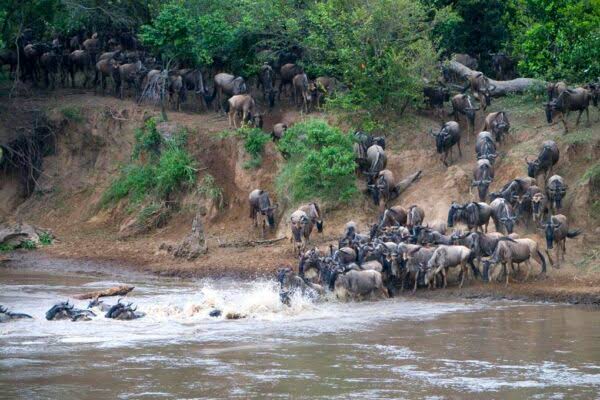
Tracking the annual movement of over a million wildebeest across the Serengeti and the Maasai Mara requires careful mapping of the rains and the herds. Read our guide on the migration of wildebeest: what it is, why and when to go to understand the core mechanics of this continuous loop. Below, we break down the route month by month so you can align your safari with the right regions.
January to March: Calving in the Southern Serengeti
At the start of the year, the herds gather on the short-grass plains of the southern Serengeti and the Ngorongoro conservation area. The nutrient-rich soils produced by ancient volcanic ash provide ideal grazing for pregnant females. January and February mark the peak of the calving season, during which roughly half a million calves are born within a narrow window of two to three weeks.
What to Expect on the Southern Plains
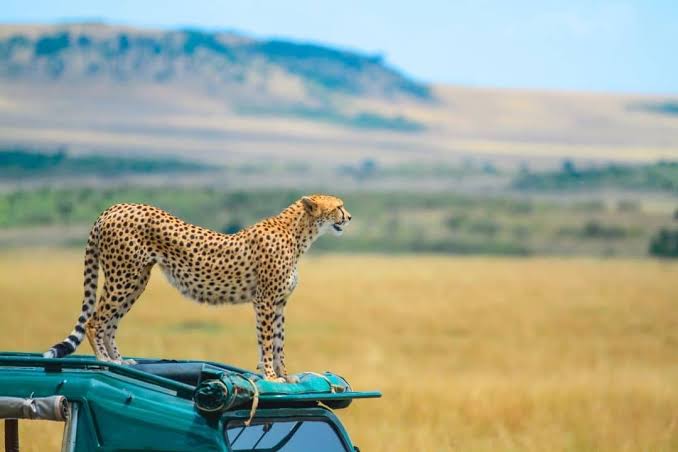
Predators such as lions, cheetahs, leopards, and hyenas gather in high concentrations during these months to target the vulnerable newborns. Travellers looking to witness dramatic wildlife interactions will find this period exceptionally rewarding. For a broader look at how these southern reserves compare with Kenya's northern grasslands, review our analysis on Serengeti vs Masai mara.
- High predator activity around the calving grounds
- Short grass making wildlife spotting straightforward
- Pleasants days with occasional localized rain showers
- Easy combination with stays in the Ngorongoro Crater
The southern calving season offers some of the most concentrated predator-prey viewing of the entire annual cycle.
April to May: The Long Rains and the Northwestern Push
East Africa experiences its primary rainy season through April and May. Afternoon storms are common, tracks can become muddy, and many camps in remote sectors close for maintenance. Despite the weather, the wildebeest begin moving northwestward out of the southern plains as the grasses dry up and new green shoots appear further north.
Navigating the Wet Season Safaris
Travel during these months suits visitors who prefer dramatic cloudscapes, fewer vehicles in the parks, and lush green landscapes. While self-driving can be hazardous, our team operates robust 4x4 vehicles designed for deep mud and slippery tracks. For travellers planning broader journeys in this country, our overview on safaris in tanzania outlines how to structure itineraries around seasonal rains.
- Lower visitor numbers across the major national parks
- Dramatic skies and excellent photography lighting
- Substantial green foliage transforming the savannah
- Challenging driving conditions requiring specialized 4x4 transport
June to July: The Western Corridor and Grumeti River Crossings
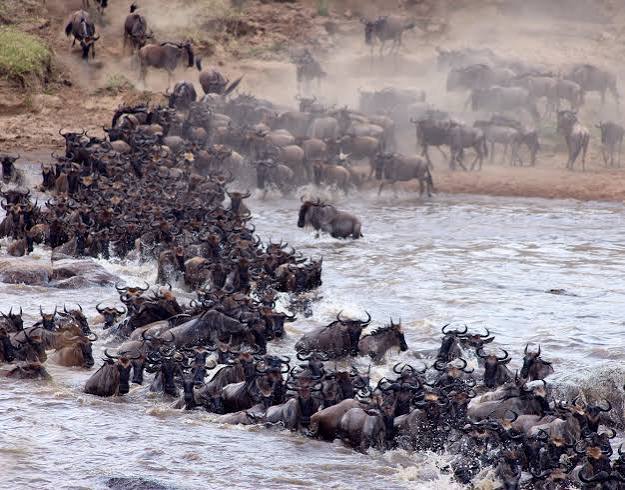
By June, the dry season begins to take hold, and the mega-herds converge in the western corridor of the Serengeti. The column splits into smaller groups as they encounter major geographical obstacles, most notably the Grumeti River. Crossing these permanent waters requires animals to brave deep channels and resident Nile crocodiles.
Planning for River Crossings
Timing river crossings requires patience, as herds often mass on the banks for days before plunging in. If you are trying to decide whether to view this phase from the Tanzanian or Kenyan side of the international border, our notes on Maasai Mara or Serengeti: where to see the migration offer practical pointers on positioning. Travellers can also explore our 3 Days Serengeti package for a focused wildlife break.
- Herds concentrating along the Grumeti River banks
- Initial dramatic river crossings and predator confrontations
- Dustier tracks and rising temperatures
- Clear skies replacing the wet-season clouds
August to October: The Maasai Mara and the Mara River
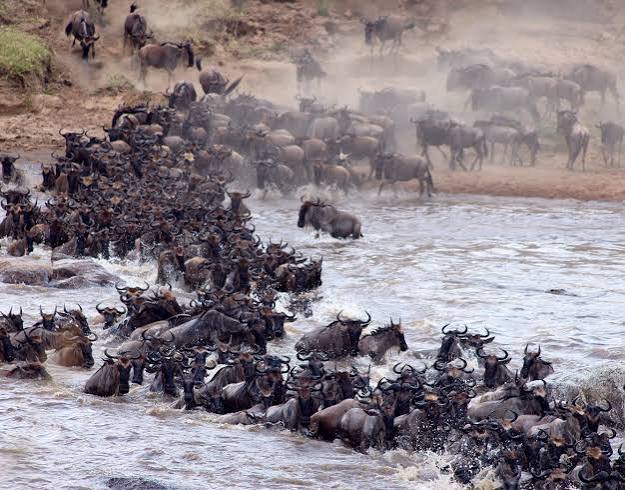
From July through October, the core of the migration crosses the border into Kenya's Maasai Mara National Reserve. This period is widely regarded as the peak window for safari travel, featuring the famous Mara River crossings where thousands of animals surge across treacherous waters while big cats watch from the high banks.
Recommended Itineraries for the Mara Season
To experience this phase directly, our Great Migration Safari combines game drives in the Maasai Mara with a light-aircraft transfer into the northern Serengeti, ensuring you follow the herds across both sides of the border. Alternatively, if you want a shorter break focused purely on the reserve, our 3 Days Masai Mara Reserve itinerary offers a direct route from Nairobi.
- Spectacular Mara River crossings between July and October
- Abundant big-cat sightings across open savannah plains
- Pleasant daytime temperatures with minimal rainfall
- High demand for lodges requiring months of advance planning
November to December: The Short Rains and the Return South
As October ends, the short rains typically arrive in the north, refreshing the pastures of the eastern and northern Serengeti. The herds respond immediately to the scent of rain-nourished grass, turning their backs on Kenya and marching south through the Lobo and Loliondo sectors.
Closing the Loop
By December, the front runners reach the short-grass plains of the southern Serengeti once more, setting the stage for the calving season to begin again. This shoulder season offers brilliant game viewing with significantly fewer visitors than the July–October peak. For ideas on combining these classic wildlife regions with varied landscapes further south, read our insights on Kenya safaris.
- Herds migrating south through the eastern woodlands
- Fresh grazing triggered by the short rains
- Quieter parks before the December holiday rush
- Excellent value periods for lodge bookings
Mapping your safari around the wildebeest migration ensures you are in the right place at the right time to witness one of nature's greatest spectacles. Whether you want to witness Mara River crossings in Kenya or follow the calving season across the southern Serengeti plains, our local team at Elyson Adventures can design a route tailored to your exact dates. Visit our https://elysonadventures.com/page to start planning your journey with us today.
Plan a trip around this
Tell us your dates and what you want to see. We will build the route.