Per ora questa storia è disponibile solo in inglese.
Planning a safari in East Africa opens up some of the most dynamic wildlife reserves and diverse landscapes on the continent. By understanding the seasonal patterns of the herds, the logistics of cross-border travel, and the practical details of park entry, you can build a balanced journey that brings together the best of Kenya, Tanzania, and Uganda.
Choosing Where to Go in East Africa
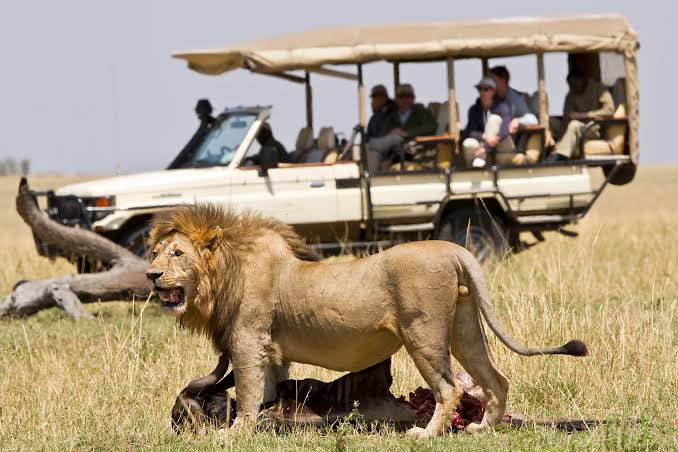
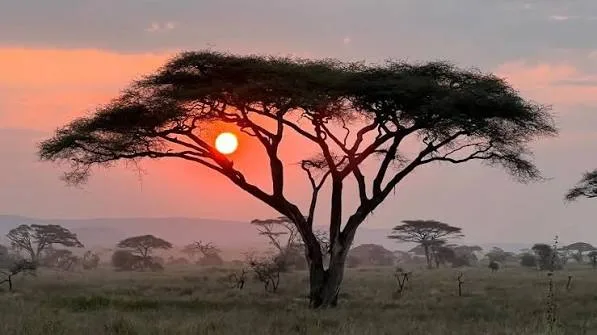
East Africa is a vast region spanning sweeping savannahs, ancient forests, and high volcanic calderas. Each country offers distinct wildlife highlights that shape how you plan your time. For a classic savannah experience, Kenya [destinations/kenya] provides open plains, large cat populations, and iconic reserves like Amboseli and Samburu. Across the border, Tanzania [destinations/tanzania] holds the endless expanse of the Serengeti and the wildlife-packed bowl of the Ngorongoro Crater.
If you want to combine big game with primate encounters, adding Uganda or Rwanda to your route creates a comprehensive wildlife journey. For a deeper look into how these regions compare, you can read our detailed breakdown on Serengeti vs Masai Mara or explore our guides on Kenya Safaris and Safaris in Tanzania.
Understanding the Great Migration
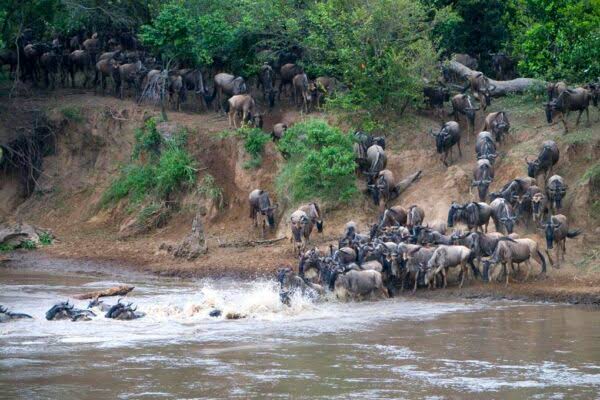
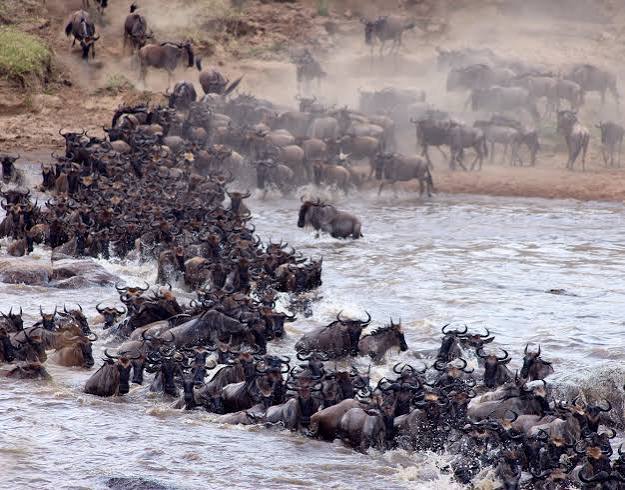
The annual movement of over a million wildebeest, zebra, and gazelle is one of the defining spectacles of an East African safari. The herds follow the rains and fresh grass in a continuous loop across the Serengeti and the Maasai Mara. To help you time your visit, our guide on the migration of wildebeest: what it is, why and when to go explains the core mechanics of the cycle.
To map out specific months, refer to our wildebeest migration maps and our advice on Maasai Mara or Serengeti: where to see the migration. Broadly speaking, the rhythm follows a predictable seasonal pattern:
- January to March: Calving season in the southern Serengeti, where thousands of young are born on short-grass plains.
- June to July: Herds move north through the western corridor and central Serengeti.
- July to October: River crossings take place along the Mara River in the northern Serengeti and the Maasai Mara.
Combining Primates and Savannahs
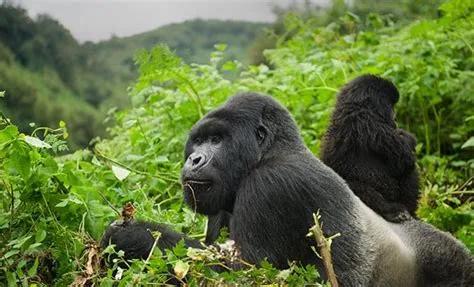
Beyond the open plains, East Africa is home to remarkable populations of mountain gorillas and chimpanzees. Tracking these primates requires permits that must be secured well in advance. For travellers looking at Uganda, our guide on gorilla trekking in Uganda: costs, permits and what to go covers Bwindi sectors and permit fees. If you prefer Rwanda, our four-step planner on how to book a gorilla trek in Rwanda: permits to packing outlines the essential logistics.
For those interested in chimpanzees, planning a trek in forests like Budongo requires understanding trail conditions and sighting rates, which you can review in our Budongo chimpanzee tracking tour timing and difficulty post. Combining these forest treks with open savannah game drives offers the ultimate contrast in safari experiences.
A well-paced safari balances early morning game drives and forest treks with quiet afternoons to absorb the landscape, ensuring you stay rested throughout your journey.
Recommended Itineraries and Packages
Designing an efficient route across multiple parks and borders is best done using established itineraries that factor in transit times, domestic flights, and park entry requirements. Elyson Adventures offers several tailor-made packages designed to maximise your time on the ground:
- Great Migration Safari (7 days): Focuses on river crossings in the Maasai Mara and big-cat viewing in the northern Serengeti, featuring private 4x4 transport and light-aircraft flights between reserves. Learn more on our Great Migration Safari page.
- Gorillas and the Great Migration (12 days): Combines mountain gorilla tracking in Bwindi Impenetrable National Park with big-game viewing and river crossings in the Maasai Mara.
- Kenya Highlights: Samburu, Nakuru & the Mara (8 days): Explores northern specialities in Samburu, rhinos at Lake Nakuru, and three days on the plains of the Maasai Mara.
Practical Packing and Preparation Tips
Packing correctly for an East Africa safari ensures comfort across shifting climates, from chilly early-morning game drives to warm savannah afternoons and damp mountain forests. Our comprehensive guide on what to pack for a safari in East Africa details the ideal layers and gear.
Clothing Essentials
- Neutral colours: Choose khaki, olive, and sand. Avoid dark blue and black, which attract tsetse flies, and leave camouflage clothing at home.
- Layers: Pack a warm fleece for cool early-morning game drives and light long-sleeved shirts for sun protection.
- Rain gear: Bring a reliable waterproof jacket, which is essential for gorilla and chimpanzee treks in mountain forests.
Logistics and Permits
Always ensure your passport has at least six months of validity and check visa requirements for each country you visit, keeping in mind options like the East Africa Tourist Visa where applicable. Park permits for gorilla and chimpanzee tracking sell out months ahead, so lock in your dates early.
If you are ready to design your ideal wildlife journey across Kenya, Tanzania, Uganda, or Rwanda, get in touch with our Kampala-based team tohttps://elysonadventures.com/ and start planning your custom East African safari today.
Pianifica un viaggio a partire da qui
Dicci le tue date e cosa vuoi vedere. Costruiremo noi l’itinerario.