Dit verhaal is voorlopig alleen in het Engels beschikbaar.
Planning a trip to Tanzania in 2026 means preparing for a destination that has recently introduced a significant new entry requirement, while still demanding strict attention to health precautions and regional safety. The country offers unparalleled wildlife experiences, from the Great Migration in the Serengeti to the beaches of Zanzibar, but a smooth journey requires understanding the updated rules on insurance, visas, and vaccinations.
🛂 Visa and Entry Requirements
For most international visitors, a visa is required. The process has been streamlined with an online system, though it is essential to use the official government portal to avoid fraud.
Passport Validity: Your passport must be valid for at least six months beyond your intended date of entry and contain at least one blank page for stamps .
Tourist Visa (e-Visa): The standard single-entry tourist visa costs US$50 and is valid for a stay of up to 90 days . It is highly recommended to apply for the e-Visa online at least 10 days before your travel date, as standard processing takes that long . You will need to upload a passport-style photo and provide your itinerary.
Special Note for US Citizens: Citizens of the United States are required to apply for a multiple-entry visa, which costs US$100 and is valid for 12 months, with each stay not exceeding 90 days .
Visa on Arrival: While available at major entry points like Julius Nyerere International Airport, the online e-Visa is the primary and recommended method to avoid lengthy queues .
🏥 The New Mandatory Inbound Insurance
One of the most critical updates for 2026 is the new mandatory insurance policy for all foreign visitors.
Since October 1, 2026, the Tanzanian government requires every foreign visitor to purchase Inbound Travel Insurance . This is a separate policy from your standard travel insurance and is designed to cover medical emergencies within the country.
- Cost: US$44 per visitor.
- Validity: Up to 92 days.
- Provider: The insurance must be purchased from a designated government provider. If you are entering through Mainland Tanzania (e.g., Dar es Salaam, Arusha), you must buy it from the National Insurance Corporation (NIC). If you are arriving directly in Zanzibar, you must purchase it from the Zanzibar Insurance Corporation (ZIC) .
- Action: It is strongly advised to arrange this insurance before travelling to facilitate entry and avoid delays at the airport. You can purchase it via the official NIC or ZIC websites .
💉 Health and Vaccinations
Health preparedness is a cornerstone of any trip to Tanzania. The primary risks are malaria and yellow fever, alongside standard travel vaccinations.
Yellow Fever: The yellow fever vaccination is not mandatory for travellers arriving directly from Europe or North America. It is only required if you are arriving from a country with a risk of yellow fever transmission . However, it is a good idea to check the latest guidance based on your specific flight itinerary.
Malaria (High Risk): Malaria is present year-round in all areas of Tanzania below 1,800 metres, which includes the Serengeti, Zanzibar, and Dar es Salaam . Antimalarial medication is essential. You should consult a doctor 4-6 weeks before travel to get a prescription for prophylaxis (such as Malarone, Doxycycline, or Mefloquine). Alongside medication, rigorous use of DEET-based insect repellent and sleeping under mosquito nets are vital .
Other Recommended Vaccinations: Ensure you are up to date with routine vaccines and consider Hepatitis A, Typhoid, and Tetanus, which are commonly recommended for travel to the region .
🛡️ Safety and Security
The overall security situation requires vigilance. The U.S. State Department maintains a Level 2: Exercise Increased Caution advisory for Tanzania due to crime, terrorism, and health concerns .
Crime: Violent crime, including assault and robbery, occurs, particularly in crowded urban areas and tourist spots. Avoid walking alone at night, and do not physically resist any robbery attempt .
Regional Risk (Mozambique Border): There is a Level 3: Reconsider Travel advisory for the Mtwara Region along the border with Mozambique due to terrorism and armed group activity. Travel to this specific area should be avoided .
LGBTQ+ Travellers: Same-sex relationships are illegal in Tanzania and carry severe penalties. Authorities have arrested and harassed individuals based on sexual orientation, and travellers should exercise extreme caution .
Local Laws: It is illegal to photograph military zones, personnel, or weapons. The possession or import of pornographic material is also illegal. Single-use plastic bags are banned, including in your luggage .
💰 Currency, Costs, and Practicalities
Currency: The Tanzanian Shilling (TZS) is the local currency, but US Dollars are widely accepted for tourism services like safaris and lodges. Ensure your USD notes are issued in 2006 or later and are clean and unmarked, as older or damaged bills may be refused .
Cash vs. Cards: While credit cards (Visa and Mastercard) are accepted at major hotels and upscale lodges, cash is king in national parks, local markets, and smaller establishments. It is wise to carry sufficient cash before heading into remote areas, as ATMs are scarce outside major towns .
Power: Tanzania uses the British-standard Type G plug (three rectangular pins) with a voltage of 220-240V. Power outages can occur, so packing a power bank is useful.
🗓️ Best Time to Visit
The ideal time depends on what you want to see, but generally, the dry seasons offer the best wildlife viewing.
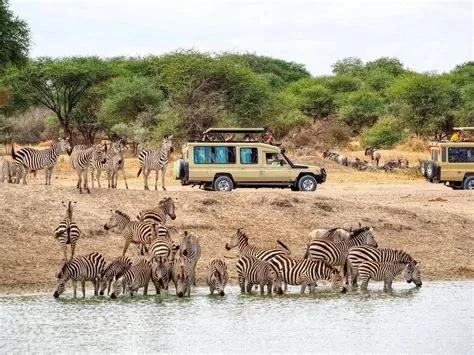
- June to October (Peak Dry Season): This is the best time for general wildlife viewing. Animals congregate around water sources, and the vegetation is thinner, making spotting easier. This is also the prime time for the dramatic Great Migration river crossings in the northern Serengeti (typically July to September) .
- January to February (Short Dry Season): This is the calving season in the southern Serengeti. Thousands of wildebeest give birth, attracting predators like lions and cheetahs. It is an excellent time for predator action with fewer crowds than the peak season .
- March to May (Long Rains): This is the low season with heavy rains, muddy roads, and some camps closing. However, it offers lush scenery, excellent birdwatching, and significant discounts for budget-conscious travellers who don't mind occasional downpours .
By preparing for the new insurance mandate, securing your visa in advance, and taking malaria precautions seriously, you can focus on enjoying Tanzania's extraordinary landscapes and wildlife while navigating the country safely and responsibly.
Plan een reis rond dit verhaal
Vertel ons je data en wat je wilt zien. Wij bouwen de route.