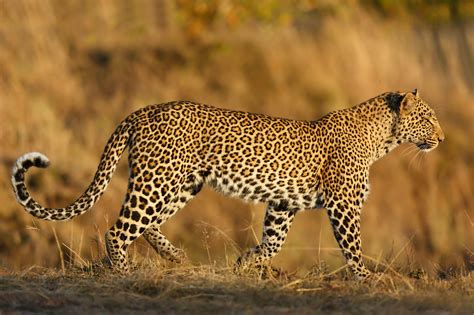
Leopards are remarkably adaptable and powerful big cats whose stealth, strength and wide distribution make them one of the most fascinating animals to spot on an East African safari. Understanding their behaviour, physical traits and conservation status helps travellers appreciate these elusive predators during game drives across our Tanzania Safari & Zanzibar or other regional adventures.
1. They Are Exceptionally Strong Climbers
Leopards are famous for their tree-climbing abilities. They are strong enough to carry prey that may be heavier than themselves high into tree branches, sometimes up to 50 feet, to keep it safe from scavengers like hyenas and lions.
Their bodies are built for this task, featuring powerful shoulder muscles specifically adapted for climbing. When you join our 13-Days Wonders of Kenya Safari experience, keep your eyes on the thick acacia branches during game drives in the reserves. A long tail provides balance as the cat navigates slender limbs, and sharp retractable claws anchor its weight securely.
Storing kills off the ground prevents lions and spotted hyenas from stealing meals earned through careful stalking. This behaviour makes dense woodlands and riverine forests prime locations for spotting leopards resting during the heat of the day.
2. They Are Powerful but Not Long-Distance Runners
While leopards can sprint at speeds of up to 36 miles per hour, they lack the stamina for long chases. They rely on stealth to creep close to their prey before making a short, explosive pounce.
If the initial attack fails, they typically give up rather than pursue the animal further. Energy conservation is vital for a solitary hunter that must catch every meal on its own without a pride to assist.
Travellers seeking classic predator interactions often explore packages like our 10-Days Kenya and Tanzania Savannah Safari, where expert guides understand how big cats use scrub, long grass and riverbanks to close the distance before striking.
3. They Have the Widest Range of Any Big Cat
Leopards are the most adaptable and geographically widespread of all the big cats. They can be found in a diverse range of habitats, from rainforests and savannas to deserts and mountainous regions, across Africa and Asia.
Their fur colour and rosette patterns even vary by region to help them blend into their specific surroundings. Desert leopards tend to be paler, while forest dwellers display much darker coats and tighter rosette shapes.
Adaptability Across Ecosystems
This flexibility allows leopards to thrive in places where other large carnivores struggle. They survive near human settlements, in dense jungles and across arid plains by adjusting their diet to whatever small or medium-sized prey is available.
For deeper reading on planning regional routes that showcase varied habitats, see our guide on how to choose the best Tanzania safari package for details on matching parks to your travel style.
4. They Are Solitary and Nocturnal
Leopards are elusive creatures that prefer to live alone. They are primarily nocturnal, meaning they do most of their hunting and activity under the cover of darkness.
This solitary and secretive nature makes them one of the hardest big cats to spot and study in the wild. Unlike lions, which form social prides, adult leopards maintain strict territories and only interact to mate or when a mother raises cubs.
Spotting a leopard sleeping on a branch or moving silently through the shadows remains one of the most rewarding moments on any African wildlife journey.
Because they spend daylight hours resting in thick brush or high up in acacia trees, finding one requires an experienced guide who knows how to read alarm calls from monkeys, impalas and francolins.
5. They Are Vulnerable and Facing Major Threats
Despite their adaptability, leopards are classified as vulnerable on the IUCN Red List, and their populations are decreasing. Major threats include habitat loss and fragmentation, a decline in their natural prey, human-wildlife conflict when they prey on livestock, and poaching for their skins and body parts.
Conservation initiatives across East Africa work closely with local communities to protect migratory corridors and secure grazing lands. Responsible tourism plays a direct role in funding these protective measures by assigning economic value to living wildlife.
If you are planning an independent journey, our guide on how to plan the perfect solo safari in East Africa offers practical tips on selecting ethical, community-conscious operators.
Experience the thrill of tracking leopards across East Africa with Elyson Adventures.https://elysonadventures.com/ to start designing your tailor-made safari.
Plan a trip around this
Tell us your dates and what you want to see. We will build the route.