Per ora questa storia è disponibile solo in inglese.
A safari is not a holiday you simply book; it is an expedition you architect. Unlike a beach resort where the primary variable is the quality of the buffet, a safari involves a complex orchestration of seasonality, wildlife behaviour, logistics, and conservation economics. The difference between a good safari and a transcendent one often comes down to decisions made months, sometimes years, before you ever set foot in a Land Cruiser. This guide is designed to walk you through that process, from defining your "why" to packing your duffel bag, ensuring that your first or fifteenth journey into the African bush is the one you have always imagined.https://elysonadventures.com/tours/3-days-serengeti
Start with Your "Why," Not the Map
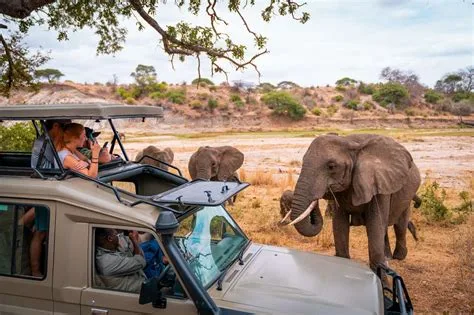
Before you look at a single lodge photograph or compare the price of flights to Nairobi versus Cape Town, you must define your priorities. The "perfect" safari is highly subjective. For some, it is the adrenaline of tracking the Big Five on foot; for others, it is the quiet privilege of watching a herd of elephants interact at a waterhole from the veranda of a luxury suite. Ask yourself: Are you chasing the spectacle of the Great Migration, or do you want to avoid crowds entirely? Is photography your primary focus, or are you traveling with young children who need shorter game drives?
Your answer will dictate your destination. If you dream of gorillas, you are looking at Uganda or Rwanda. If you want the classic, wide-open plains and predator action, the Serengeti and Masai Mara are unmatched. If you prefer a self-drive adventure with excellent infrastructure, South Africa’s Kruger National Park or Namibia’s Etosha are your best bets . Do not pick a country just because it sounds exotic; pick the ecosystem that supports the experience you crave.https://elysonadventures.com/
The Timing Conundrum: Seasons, Crowds, and Cost
There is no single "best" time to go on safari, only the best time for what you want to see. However, for the classic, easiest wildlife viewing, the dry season (generally June to October in much of Southern and East Africa) is the gold standard. As water becomes scarce, vegetation thins out, and animals congregate around permanent water sources, making them significantly easier to spot. This is also peak season, meaning higher prices and more vehicles at sightings.
If you are looking for value and a different kind of beauty, consider the shoulder seasons. April and May, or October and November, often offer a "hidden gem" experience. You might encounter brief afternoon rains, but you will be rewarded with lush green landscapes, excellent birding, and dramatically fewer tourists. Rates during these windows can drop by 40 to 60 percent compared to peak pricing, allowing you to upgrade your accommodation or extend your trip for the same budget. Just be aware that in the wet season (like March to May in East Africa), some camps close entirely, and the bush is thicker, making wildlife spotting more challenging.
If your heart is set on witnessing the wildebeest river crossings, your timing must be precise. This spectacle typically occurs between July and October, requiring you to book far in advance to secure camps in the Masai Mara or northern Serengeti.
Booking Timeline: The Early Bird Gets the Gorilla Permit.
The single most important rule of safari booking is to start early. This is not a destination where you can reliably book a last-minute deal and expect the best guides or lodges. For peak season travel, especially if you want to see the migration or go gorilla trekking, you should begin planning 12 to 18 months in advance. For standard safaris, 9 to 12 months is a comfortable window.
https://elysonadventures.com/tours/6-day-uganda-best-tour-of-gorillas-and-chimps
https://elysonadventures.com/tours/10-days-wildlife-gorillas-and-chimps-trekking-safari
This lead time is critical for several reasons. First, high-demand lodges in prime wildlife areas often sell out a year ahead. Second, permits for activities like gorilla trekking in Uganda and Rwanda are limited and strictly regulated; they must be secured well in advance. Finally, booking early allows you to spread the cost over time and take advantage of early-bird discounts, rather than scrambling for last-minute availability. If you are looking at a trip within three to six months, you may still find availability, but your choices will be limited, and you may need to be flexible with your itinerary.
Navigating Budgets and Operators
Safari costs are notoriously opaque, but understanding the tiers can help you set realistic expectations. Broadly speaking, you can categorize safaris into three buckets. Budget or camping safaris typically range from $120 to $180 per person per day, often involving participation in camp chores and overland trucks. Mid-range accommodated safaris sit around $180 to $350 per day, offering comfortable lodges or permanent tented camps with private facilities. Luxury safaris can exceed $650 to over $1,000 per day, featuring exclusive concessions, private guides, and high-end amenities.https://elysonadventures.com/
When comparing operators, do not just look at the headline price. You must scrutinize what is included. A cheap safari might exclude park fees, meals, or transfers, which can add hundreds of dollars to your final bill. Reputable operators will be transparent about inclusions and exclusions. Look for details on the type of vehicle (open-sided 4x4s are better for photography and viewing), the group size (smaller groups mean more personalized attention), and the experience level of the guides. Always check independent reviews on platforms like TripAdvisor or Safari Bookings, and never pay the full amount upfront. A deposit of 20 to 40 percent is standard, with the balance due closer to departure.
The Logistics of Wilderness: Flights, Visas, and Health
Once your itinerary is set, the logistical puzzle begins. If your safari involves moving between remote camps, you will likely rely on light aircraft. These bush planes are an adventure in themselves, but they come with strict baggage restrictions. Hard-shell suitcases are not allowed; you must pack in soft-sided duffel bags. The weight limit is typically 15 kilograms (33 pounds) in Kenya, Tanzania, and Namibia, and 20 kilograms (44 pounds) in Southern Africa, including your hand luggage. Pack accordingly and plan to do laundry at the camps, which most lodges offer.
Health and paperwork require equal attention. Check your passport’s validity (usually six months beyond your travel date) and research visa requirements. Many African countries now offer e-visas, and regional visas like the East African Tourist Visa can simplify travel between Tanzania, Kenya, Uganda, and Rwanda. Visit a travel clinic at least six weeks before departure to discuss vaccinations for yellow fever, typhoid, and hepatitis, and to get a prescription for malaria prophylaxis if you are traveling to a malaria-endemic area. Comprehensive travel insurance, including medical evacuation coverage, is non-negotiable.https://elysonadventures.com/tours/6-days-tanzania-ultimate-safari
https://elysonadventures.com/tours/3-days-serengeti
Packing for the Bush: Function Over Fashion
Safari packing is an exercise in minimalism. You will wear the same few items repeatedly, and that is perfectly fine. The golden rule is to avoid bright colours and dark blues or blacks. Neutral tones—khaki, olive, tan, and beige—blend into the environment and do not attract tsetse flies, which are drawn to dark, contrasting colours.
Focus on layering. Mornings on an open vehicle can be freezing, while midday can be scorching. Start with a moisture-wicking base layer, add a fleece or light jacket for the early drive, and top it with a windproof or waterproof shell. A wide-brimmed hat, polarized sunglasses, and high-SPF sunscreen are essential. Do not forget a good pair of binoculars (10x42 is the standard recommendation) and a power bank for your camera and phone, as electricity in remote camps can be limited. Finally, leave room in your duffel for a sense of humor and patience—wildlife operates on its own schedule, and the best sightings often happen when you least expect them.
Final Thoughts: Trust the Experts, But Ask Questions
Booking a safari can feel overwhelming, but you do not have to do it alone. Working with a reputable tour operator or safari specialist can be invaluable, especially for first-timers. However, you should still be an active participant in the planning. Ask your operator about the specific wildlife you can expect to see at the camps you are considering for your travel dates. Inquire about their conservation and community policies. Ask how many guests share a vehicle and whether they guarantee window seats for everyone.https://elysonadventures.com/
The perfect safari is not necessarily the most expensive one or the one that ticks off the most countries. It is the one that aligns with your curiosity, respects the environment, and leaves you with a profound sense of awe. By starting early, choosing your season wisely, and packing light, you set the stage for an adventure that will linger in your memory long after the dust has settled. contact us on https://elysonadventures.com/
Pianifica un viaggio a partire da qui
Dicci le tue date e cosa vuoi vedere. Costruiremo noi l’itinerario.