Dit verhaal is voorlopig alleen in het Engels beschikbaar.
Gorilla trekking in Uganda is a guided hike into protected forest to spend one hour with a wild, habituated family of mountain gorillas. Almost all treks happen in Bwindi Impenetrable National Park, with a smaller option in Mgahinga Gorilla National Park. A permit costs US$800 per person for treks through 31 December 2026 and US$1,000 from 1 January 2027. The best months are June to September and December to February, and Uganda costs well under Rwanda's US$1,500 permit.
Uganda is home to roughly half of the world's mountain gorillas, so you have real choices to make. You need to pick a sector, a season, a trip length and a decision on whether to add chimpanzees. This guide covers why the trek matters, how to plan and book it, where to go in Bwindi, when to travel, what the day asks of you, and how Uganda compares with Rwanda.
Elyson Adventures is a safari operator based in Kampala, and primate trekking is the center of the trips we plan. We write as the team that secures permits, books lodges and runs the vehicles, so you get practical detail instead of brochure copy.
Why gorilla trekking in Uganda is worth the effort
Gorilla trekking in Uganda is worth the effort because it puts you within a few meters of a wild family for a full hour. The permit you buy also helps pay for the protection that keeps those families alive. Tourism and conservation pull in the same direction here, which is rare.
What the one-hour encounter gives you
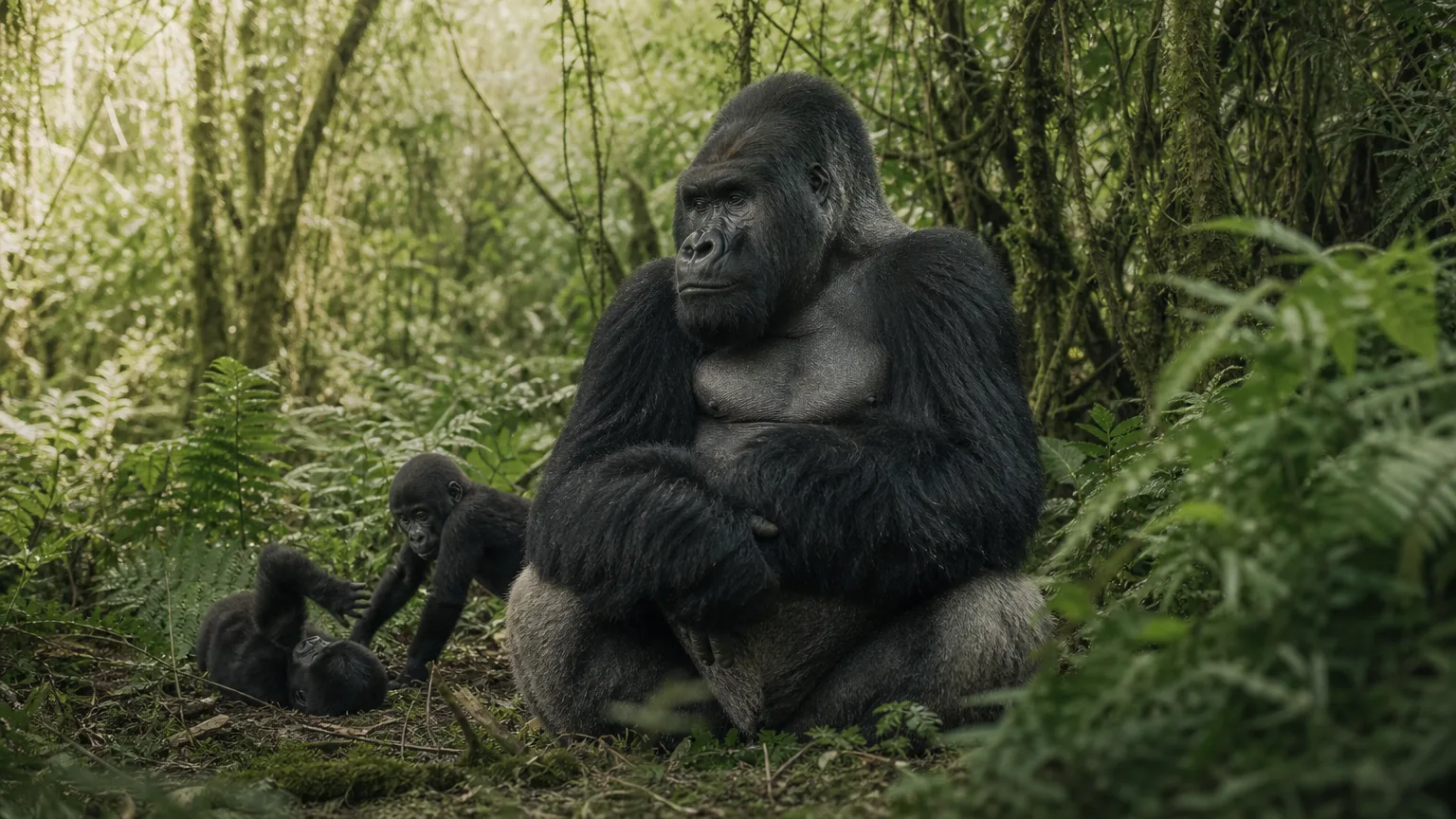
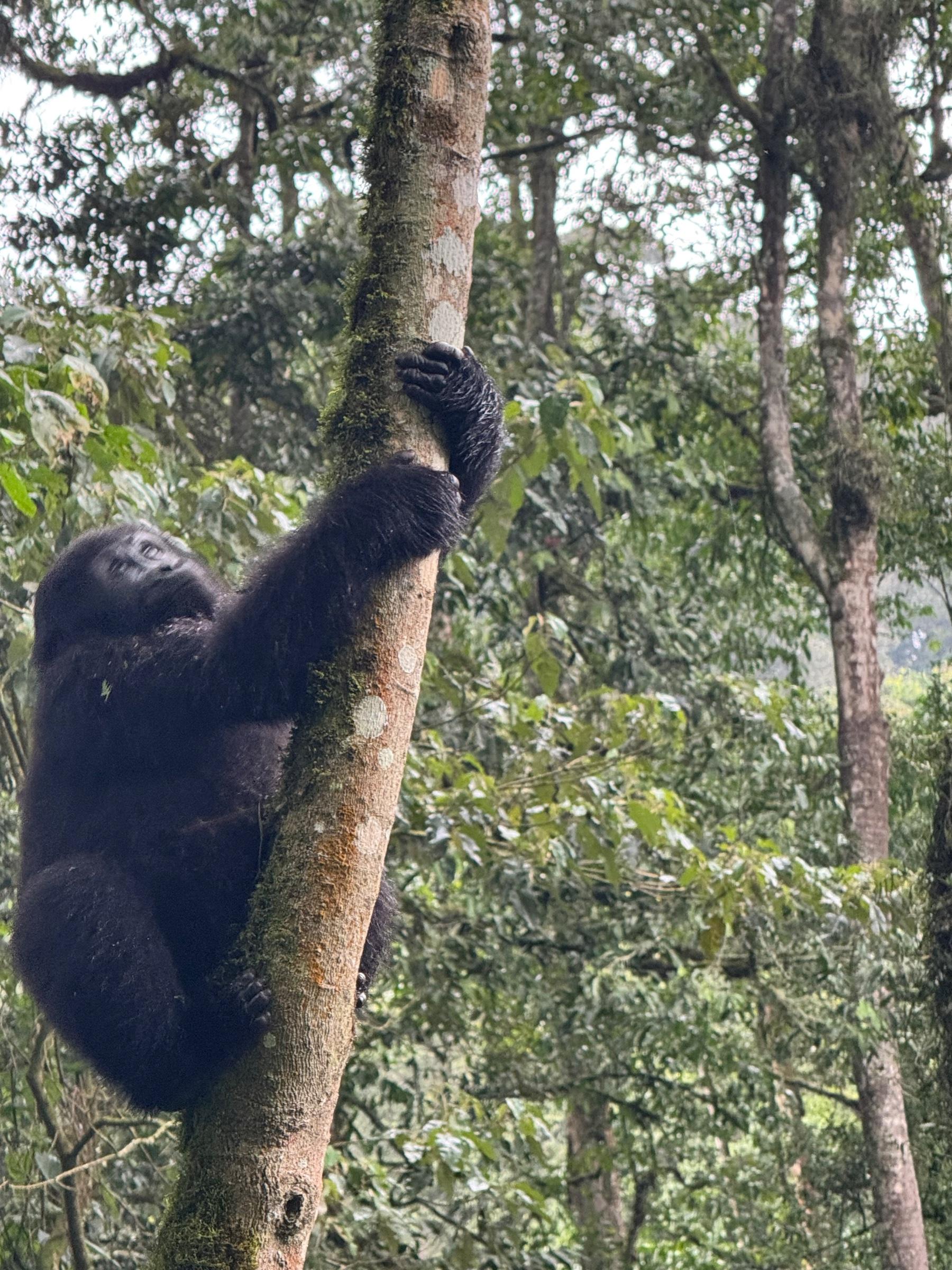
Your permit buys one hour with a habituated family, usually led by a silverback. There are no fences. A family receives no more than eight visitors a day, so the forest stays quiet. The gorillas keep feeding, grooming and napping while you watch, and young ones often play in plain view.
That calm is no accident. Rangers spend two to three years habituating a family, getting it used to people a little at a time. Trackers go out ahead of each trek, find where the family nested the night before and guide your group in by radio. For the last stretch you leave your bag and stick behind and walk in with only a camera. Put it down for a while, because the hour passes faster than you expect.
How your permit protects the gorillas
Mountain gorillas live in just a few forests, and the population is small. A census in 2010 and 2011 counted 880 animals. A 2018 count found 1,063, a real recovery for a species that is still endangered. Permit fees help pay for rangers, trackers and park management, and a share goes to communities around the park. A living gorilla is worth more to a local family than a poached one.
Hiring a porter works the same way. For about $20 to $25 you pay someone from a nearby village a day's wage, and you get a steady hand on steep ground.
Every permit and every porter fee gives local people a reason to protect the forest.
Why Uganda stands out
Uganda holds roughly half of the world's mountain gorillas, which gives it more places to trek than anywhere else. Bwindi alone has around 450 gorillas, and its four trekking sectors spread visitors across the forest. The permit is also cheaper than Rwanda's. Uganda also lets you build a gorilla trekking safari around other highlights, such as chimpanzees in Kibale, game drives in Queen Elizabeth and boat cruises at Murchison Falls.
How to plan and book a gorilla trek in Uganda
Planning a trek comes down to one scarce item, the permit. Fix your dates, secure the permit, then build lodging and transport around it. Lodges and vehicles can be moved, but a permit for a specific date and sector is hard to replace.
Permit costs and a worked example
The Uganda Wildlife Authority sells gorilla permits in limited numbers each day. A permit covers one hour with a family, park entry and ranger guides. The price depends on your trek date: US$800 per person through 31 December 2026 and US$1,000 per person from 1 January 2027.
Item
Trek by 31 Dec 2026
Trek from 1 Jan 2027
Permit, per person
$800
$1,000
Two permits (a couple)
$1,600
$2,000
Two optional porters at about $20 each
$40
$40
Permits and porters combined
$1,640
$2,040
Take a couple trekking in February 2027. Permits come to $2,000, and two porters add about $40, so $2,040 before anything else. The rest of the cost depends on trip design, meaning lodges, vehicle, driver-guide, meals and extra activities. That is why we quote each trip individually and do not list a fixed price.
Budget separately for tips, visas, international flights and travel insurance with medical and evacuation cover. Visa fees depend on your nationality, and the East Africa visa can be applied for online. Low-season discounts have applied to April, May and November in past years, so confirm the current rate before you count on one.
Choosing a gorilla trekking tour that fits your days
The trek itself takes one day. Everything else is getting there and deciding what to add. Our private itineraries all start from the same logic, and each can change in days, lodges and pace.
Trip length
What it combines
3 days
Kampala to Bwindi, one gorilla trek, return to Entebbe or Kampala
4 days
Gorillas in Bwindi plus golden monkey trekking in Mgahinga
5 days
Shoebill spotting at Mabamba Swamp, gorillas in Bwindi, chimpanzees in Kibale
6 days
Kibale chimpanzees, Queen Elizabeth boat safari and game drive, Bwindi gorillas, Lake Bunyonyi, a community visit
8 days
Kibale chimpanzees, Queen Elizabeth game drive and boat trip, Bwindi gorillas, a slow day at Lake Bunyonyi
9 days
Rhino tracking, Murchison Falls, Kibale chimpanzees, Queen Elizabeth, Bwindi gorillas, transfer to Kigali
10 days
Rhino tracking, Murchison Falls and Queen Elizabeth game drives and boat cruises, Kibale chimpanzees, Bwindi gorillas with a Batwa culture experience, white water rafting in Jinja
A 3-day trek is tight, because the long drive eats most of two days. If you can spare four to six days, you gain slack for weather and room for a second primate. A true one-day trek needs domestic flights both ways, which adds cost and leaves no margin if the weather turns.
Booking steps and lead time
Booking is simple once you know what you want to see and when you can travel. A rough idea is enough to start.
- Pick your travel window and your priorities, such as gorillas only or gorillas plus chimpanzees.
- Send an enquiry by form, WhatsApp, phone or email. You get back a route, a price and honest advice.
- Confirm dates. We secure your gorilla permits as soon as dates are set.
- Lock in lodges and your private vehicle around the permit date.
- Sort out your visa, insurance and health requirements. Ask a travel clinic about yellow fever and other entry rules.
Book as soon as your dates are firm. Peak months fill first, and permit numbers are capped daily.
The permit is the one part of the trip you cannot improvise, so lock it in before anything else.
Where to trek: Bwindi sectors and Mgahinga
Most gorilla trekking in Uganda takes place in Bwindi Impenetrable National Park, which has four sectors, with Mgahinga Gorilla National Park as the quieter alternative. Your choice shapes the difficulty of the hike, where you sleep and how easy it is to find a permit.
The four Bwindi sectors
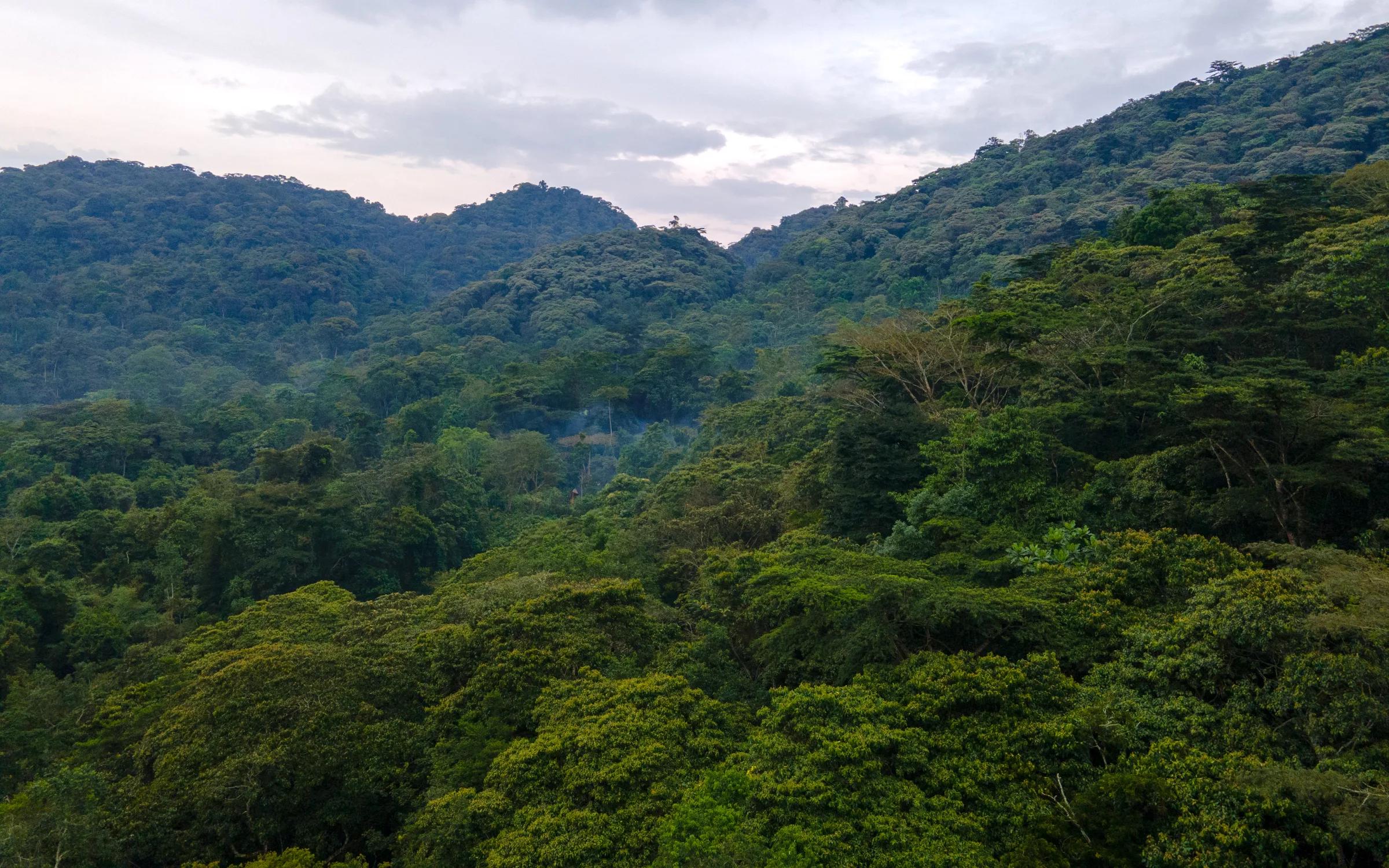
Bwindi is an ancient rainforest of steep ridges and tangled slopes in southwestern Uganda. It holds most of the country's habituated families. The sector you choose decides your trailhead and your lodge.
Sector
Location
Best for
Buhoma
North-west
First-timers who want the longest-established base and many lodge options
Ruhija
East
Cooler, higher ground, quieter surroundings and good views
Rushaga
South
The most habituated families, which usually means better permit availability
Nkuringo
South-west
Adventurous trekkers who want a ridge setting, steep terrain and big views
Treat these labels as a guide, not a promise. How hard your trek is depends on where your family has moved that day, as much as on the sector. Rangers also assign families partly by fitness, so tell us honestly what you can manage. A permit is issued for a specific sector and date, so your lodge has to match it.
Mgahinga and the golden monkey add-on
Mgahinga sits against the Virunga volcanoes on the border with Rwanda and the Democratic Republic of Congo. The park is small and open, and it offers a quieter, more intimate trek than Bwindi. It has just one habituated family, so permits are few and availability is tighter.
Many travelers pair a Bwindi trek with golden monkey tracking in Mgahinga, as in our 4-day gorilla and golden monkey trip. Choose Bwindi if you want more choice of dates and sectors. Choose Mgahinga if you want volcano views and a smaller crowd.
Getting to the forest from Kampala
Bwindi sits in the far southwest, a long way from Kampala and Entebbe. By road, expect roughly eight to ten hours depending on the sector. The drive passes hills, tea country and farmland, and a private 4x4 with a driver-guide makes it part of the trip. If you would rather save time, domestic flights land at airstrips near the park and shorten the transfer, though you pay for the flight. Your decision depends on how many days you have, and we can build either version.
Pick your sector and dates first, then book the lodge that sits closest to your trailhead.
Best time for gorilla trekking in Uganda
The best time for gorilla trekking in Uganda is the dry seasons, June to September and December to February. Treks run all year, so the real question is how much mud, crowding and cost you will accept.
Dry seasons: June to September and December to February
Dry months give you firmer trails, easier climbs and clearer views through the canopy. They also make photography simpler. The trade-off is demand. Permits and lodges book up earliest in these windows, so plan ahead. Even a dry month in a rainforest can bring a shower, and the ground stays humid and muddy in places.
Rainy months and what you trade off
Rain in the forest is a possibility in every season. In wetter months, trails turn slippery and the climbs get harder, and rain can slow tracking. In return, you see fewer visitors, greener scenery and sometimes discounted permits in April, May and November.
Months
Season
What to expect
June to September
Dry
Easier trails, busiest period, book early
October to November
Wet
Muddier, quieter, possible discounts in November
December to February
Dry
Drier trails, busy around the holidays
March to May
Wet
Slippery trails, green forest, fewer crowds, possible discounts in April and May
If you travel in a wet month, pack proper waterproofs and hire a porter. Gorillas still get found, and many travelers say the rain makes the forest feel more atmospheric.
Choose dry months for comfort and wet months for quiet, and in either case dress for rain.
What a gorilla trek is like and how to prepare
A gorilla trek is a guided hike that can take anywhere from 30 minutes to many hours, ending with one hour beside the gorillas. We plan around two to eight hours for the full trek. The better you prepare, the more of that hour you enjoy.
A typical trek day
Treks follow the same pattern in every sector.
- You arrive at the ranger station early, usually around 7 or 8 am, for a briefing on rules and behavior.
- Rangers split visitors into groups of up to eight and assign each group a gorilla family, partly by fitness.
- Trackers who set out earlier find the family and radio its position.
- You hike to the family on steep, muddy or overgrown ground with a ranger guide and, if you hired one, a porter.
- You leave bags and walking sticks behind and approach with only your camera.
- You spend one hour with the gorillas.
- You hike back to the trailhead, usually tired, muddy and happy.
Bring lunch and water, because you can be out for most of the day. If the family is close, you may be back by midday.
How hard it is and who can go
Gorilla trekking is moderate to challenging. Expect steep slopes, thick vegetation and uneven, often slippery ground. You do not need to be an athlete, but walking fitness helps. A few weeks of hill walking in your boots before the trip pays off. The minimum age is 15, and visitors who are ill are not allowed near the gorillas.
If you are in any doubt about your knees, your fitness or the weather, hire a porter. Porters carry your daypack and give you a push or a hand on the worst climbs. They cost about $20 to $25, and our trips list the fee as an optional extra.
Hire the porter: for about $20 you get a steadying hand on the climb and a day's wage goes to a local family.
Rules, health and safety
Gorilla trekking is safe when you go with licensed operators and Uganda Wildlife Authority rangers. Groups are small and armed rangers accompany each trek. The main risks are slips and scratches from nettles and branches. Mock charges are rare, and if one happens, stay calm, crouch, avoid direct eye contact and follow your ranger. Never run.
The rules protect the gorillas as much as you:
- Do not touch the animals. Keep the distance your ranger sets, which guides quote at roughly 7 to 10 meters.
- Speak quietly and do not use flash.
- Do not eat or drink in front of the gorillas.
- You may be asked to wear a mask, because gorillas catch human illnesses easily.
- Tell the rangers if you feel unwell before the trek rather than hiding a cold.
Travel insurance with medical and evacuation cover is essential, and some of our trips make it mandatory.
What to pack
Pack for mud, nettles and changing weather:
- Broken-in hiking boots with ankle support
- Gaiters to keep mud and insects out
- Long, lightweight trousers (shorts invite nettle stings)
- A long-sleeve top plus a warm layer for cool mornings
- A waterproof jacket and a rain cover for your daypack
- Gloves for gripping branches and trees
- A small daypack with 1.5 to 2 liters of water and snacks
- Insect repellent, sunscreen and a hat
- A camera with spare lens cloths and a waterproof bag
Uganda or Rwanda for gorilla trekking
Choose Uganda if you want a lower permit price, more sectors and the option to add chimpanzees and savannah wildlife. Choose Rwanda if you have fewer days and prefer a shorter transfer from the capital. Both give you the same one-hour encounter with mountain gorillas.
How the two countries compare
Factor
Uganda
Rwanda
Permit price
$800 to 31 Dec 2026, $1,000 from 1 Jan 2027
$1,500
Where
Bwindi (four sectors) and Mgahinga
Volcanoes National Park
Access
Long drive from Kampala or Entebbe, or a domestic flight
Shorter transfer from Kigali, about two to three hours
Add-ons
Chimpanzees, Queen Elizabeth, Murchison Falls, golden monkeys
Nyungwe Forest, Akagera, Lake Kivu
Best time
June to September, December to February
June to September, December to February
For a couple trekking in 2027, the permit gap is $1,000 for two travelers ($2,000 against $3,000). Uganda's gap narrows from $700 per person to $500 per person when the price changes in January. That money pays for extra nights, a second primate or a better lodge. Eastern DR Congo also has mountain gorillas, but security there is a serious concern, so check your government's advice before considering it.
Which one to choose
Use a few simple rules:
- Budget and variety: pick Uganda and add Kibale or Queen Elizabeth.
- Short on time: pick Rwanda, where the transfer from Kigali is shorter.
- Want both: combine them in one trip, since the countries sit next to each other.
We plan both. Our 6-day Rwanda and Uganda budget safari mixes primate trekking, cultural visits and game drives, and our 4-day Rwanda trip pairs gorillas with Lake Kivu. Tell us your days and budget, and we will suggest the route that fits.
Uganda wins on price and variety, Rwanda wins on short transfers, and the gorillas are just as good in both.
Next steps for your gorilla trek
Gorilla trekking in Uganda comes down to a few decisions. Pick dry months if you want easier trails. Choose a Bwindi sector that matches your fitness. Budget US$800 per person for a permit through 2026 or US$1,000 from January 2027. Hire a porter, pack for mud and book early, because permits are capped every day.
Our Kampala team plans each trip privately, with your own vehicle and driver-guide, and secures your permits once your dates are set. Send us your dates and tell us what you want to see, and we will reply with a route, a price and honest advice. You can also reach the planning team on WhatsApp or phone at +256 777 427 042.
Plan een reis rond dit verhaal
Vertel ons je data en wat je wilt zien. Wij bouwen de route.